Peripheral Arterial Disease (PAD)
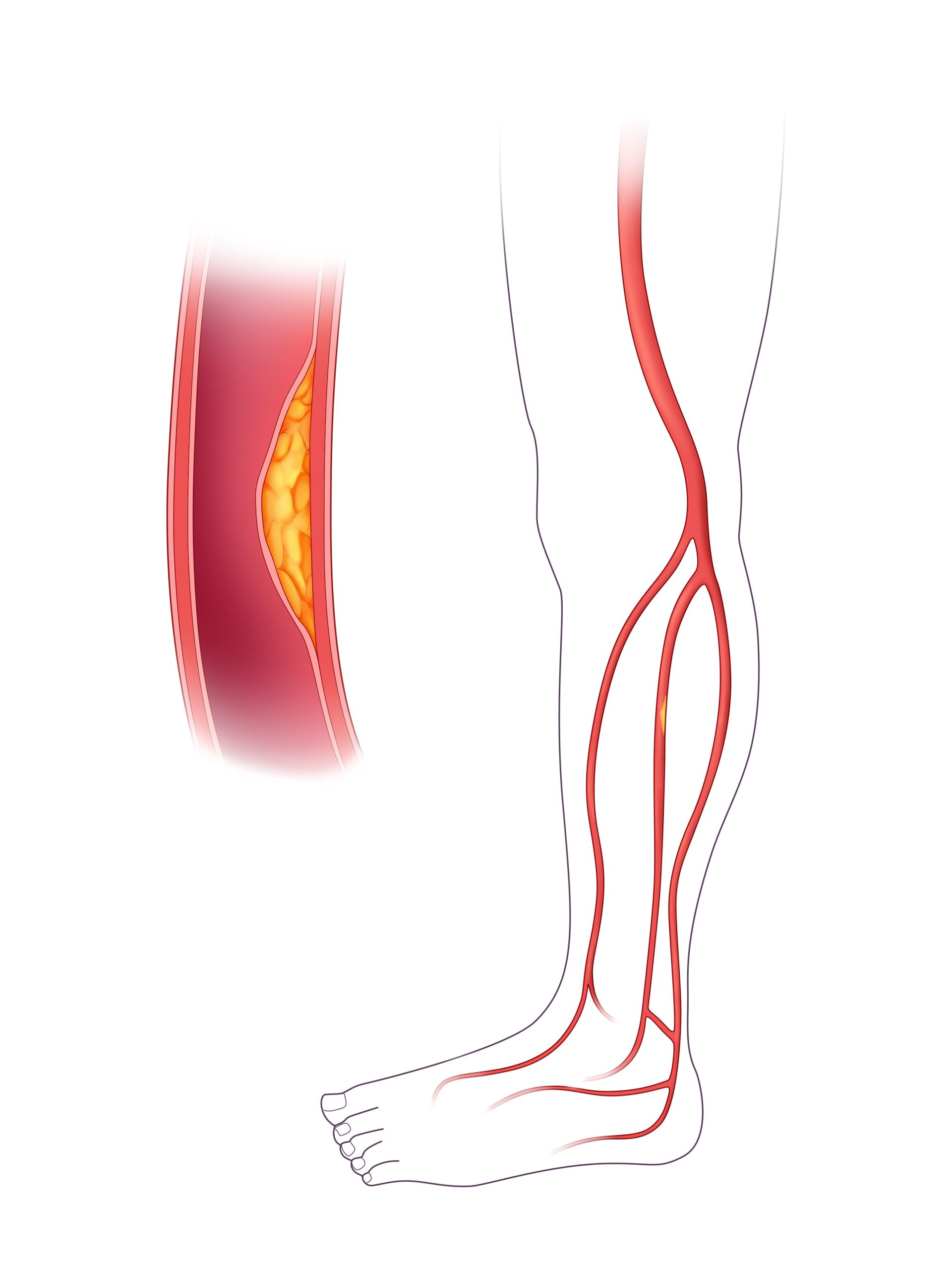
Peripheral arterial disease, or PAD, damages your arteries, the blood vessels that deliver blood from the heart throughout the body. Peripheral arterial disease causes arteries to your arms or legs to narrow or become clogged. This most often results from hardening of your arteries or atherosclerosis. The plaque associated with atherosclerosis blocks blood flow and prevents oxygen from reaching tissue.
In the legs, these blockages can cause claudication, a term used to describe recurrent pain or weakness in the legs that occurs while walking that is relieved by rest. In its more severe form, peripheral arterial disease may cause critical limb ischemia.
Critical limb ischemia occurs when the inadequate blood flow and oxygen to a specific part of the body is so compromised it results in severe rest pain or tissue loss, such as a non-healing sore or even gangrene. If the tissue of the limb has been affected; this requires immediate attention by an interventional vascular specialist.
Symptoms of PAD
Some people experience pain or heaviness in their legs while walking, which prevents them from enjoying their lives and increases their risk of other illnesses. You may have peripheral arterial disease if you experience one or more of the following:
- Aching, throbbing legs
- Leg pain and cramping
- Numbness
- Tingling
- Weakness
- Burning
- Discolored skin
- Non-healing wounds or ulcers
Risk Factors for PAD
You may be more likely to have PAD if you have:
- High cholesterol
- High blood pressure
- Diabetes
- History of smoking
Testing for PAD
Our team can help determine if you have PAD through a simple test called an ankle brachial index test, or ABI, that compares the blood pressure in the upper and lower limbs. Additional specialized imaging such as ultrasound, CT and MRI may also be indicated.

Treatment of PAD
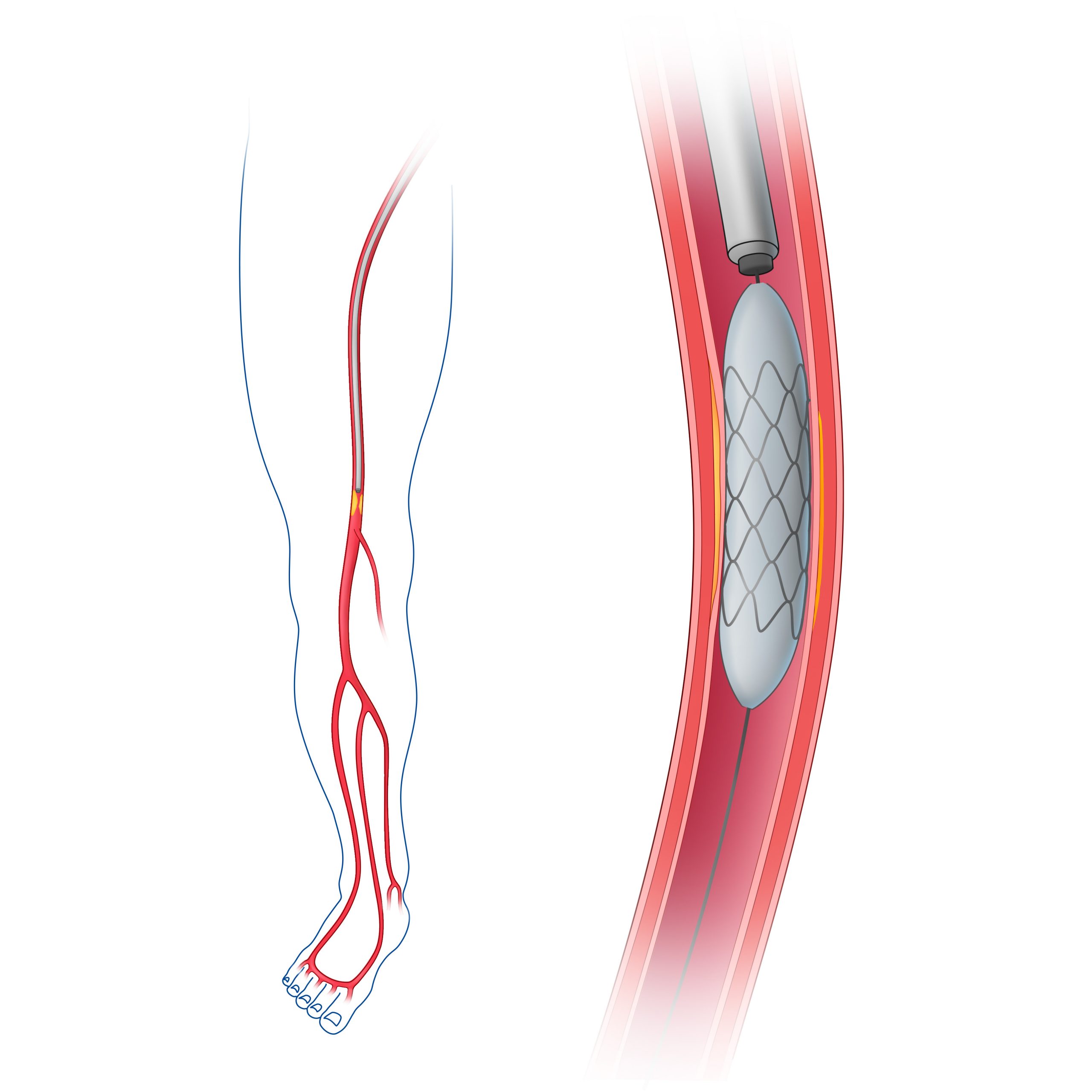
If lifestyle changes aren’t enough to treat your peripheral arterial disease, you might benefit from a minimally invasive endovascular treatment. In most cases, the interventional radiologist will make a small incision in your groin and, using X-rays or other imaging to guide him, thread a very thin catheter through your blood vessels to the blockage or narrowed artery. Depending on where the blockage is and how it looks, it may be treated in several ways.
Angioplasty
Angioplasty uses inflatable devices called balloons to open up narrowed arteries. During angioplasty, the vascular and interventional radiologist guides a catheter with a tiny balloon tip through the blood vessels into the blockage. The balloon is inflated to widen the artery, which restores blood flow.
Learn More
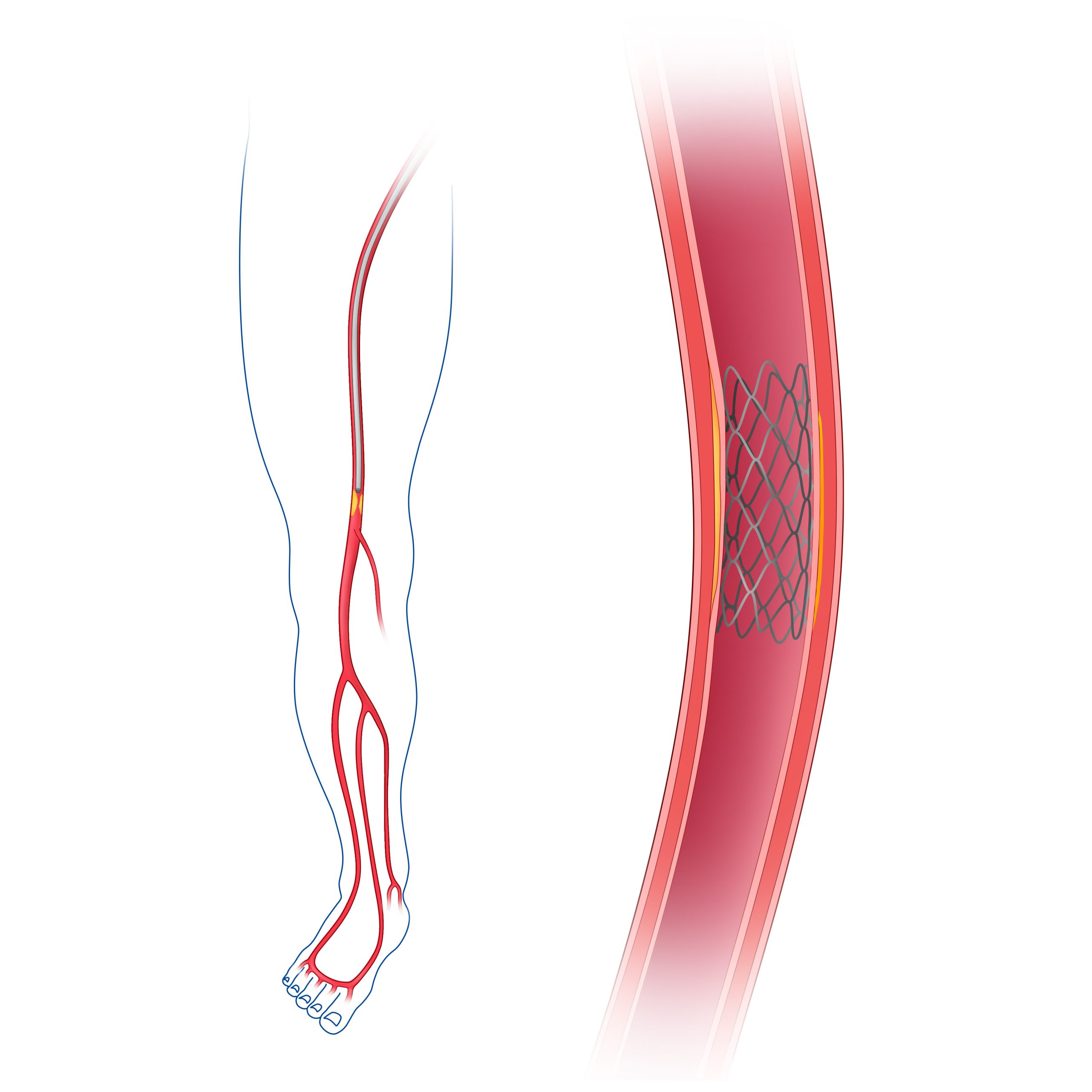
Stenting
Sometimes, in conjunction with balloon angioplasty, the doctor will place a stent, or a tiny mesh tube, inside the artery to help keep it open.
Learn More
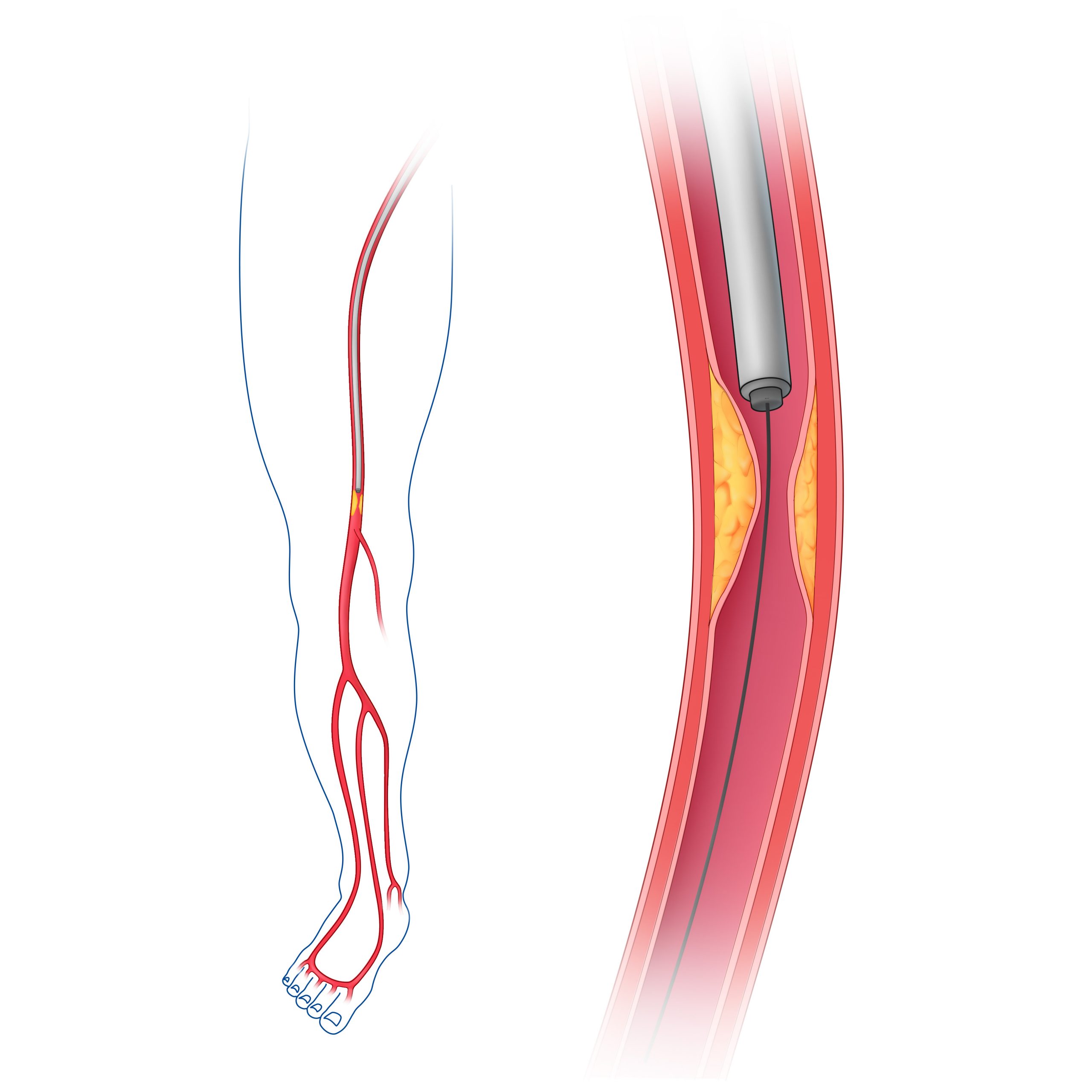
Atherectomy
In situations where there is heavy build-up of plaque, atherectormy is used to debulk the plaque to optimize blood flow.
Learn More
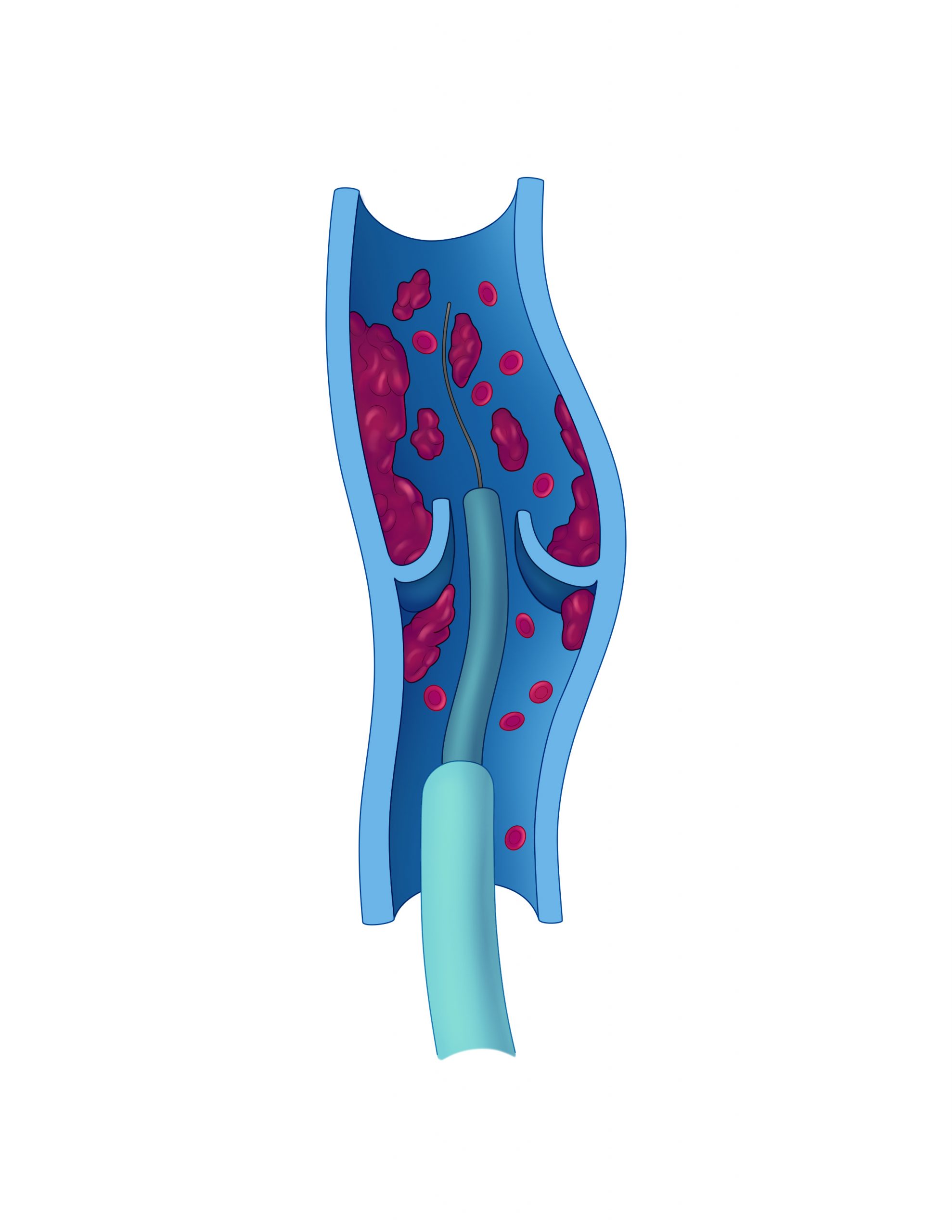
Thrombectomy
When a blood clot suddenly blocks blood flow, a treatment known as a thrombectomy will remove the clot from the involved artery using various medical tools that can extract or dissolve the clot.
Learn More